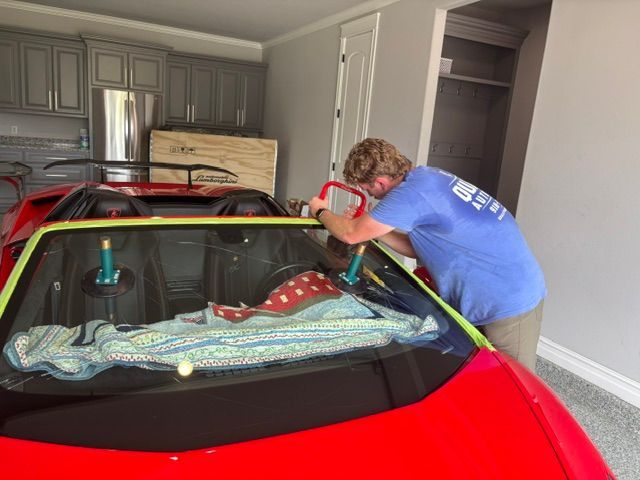
Why Summer Heat Makes Windshield Cracks Spread Faster
Summer heat causes windshield glass to expand unevenly, and that uneven expansion puts direct pressure on any existing chip or crack. A small chip that looked stable in cooler months can grow several inches within a single hot afternoon once the glass heats up faster than it can release that stress. In Tulsa, where summer temperatures regularly climb into the 90s and the air conditioning runs constantly, this kind of rapid spread catches a lot of drivers off guard. Understanding why heat has this effect, and what to do about it, can be the difference between a simple repair and a full windshield replacement.
What Makes Summer Heat So Hard on Glass?
Glass expands when it heats up and contracts when it cools, just like most materials, but a windshield rarely heats evenly across its entire surface. The dashboard trapped under direct sun can reach well over 150 degrees on a hot day, and that heat radiates upward into the lower half of the windshield much faster than the top edge, which sits closer to open air and shade from the roofline. This creates two different temperature zones on the same piece of glass at the same time. Where those zones meet, the glass is being pulled in two directions at once. If there happens to be a chip or crack sitting anywhere near that boundary, the extra pressure has a clear path to follow, and the damage spreads along it.
Why Tulsa Summers Make This Worse Than Most Places

Oklahoma's summer weather is a particularly rough combination for windshield glass. Daytime highs in Tulsa often sit in the mid to upper 90s from June through August, and humidity keeps overnight temperatures from dropping much either, so the glass rarely gets a full cool down cycle before the next hot day starts. Add in sudden afternoon thunderstorms, which can drop the outside temperature by ten or fifteen degrees in a matter of minutes, and a windshield can go through several rapid heating and cooling cycles in a single day. Each cycle adds a small amount of stress to any existing damage. Over a normal Oklahoma summer, a chip that might have taken months to spread in a milder climate can turn into a full crack in a matter of weeks.
The Science Behind a Spreading Crack
A crack in windshield glass has what engineers call a stress concentration point at its tip, which is the very end of the crack where it stops. Even a small amount of extra pressure applied anywhere near that tip gets magnified, since the crack tip is where the glass has the least material left to absorb it. Heat does not need to be extreme to trigger this. It only needs to create a temperature difference between two parts of the glass that are physically connected. When one section expands while the section right next to it stays cooler and more rigid, the crack tip becomes the weak point that gives way first, and the crack extends a little further to relieve the pressure. This is the same basic principle that causes an ice cube to crack when dropped into warm water, just playing out much more slowly across a windshield.
Common Summer Habits That Speed Up the Spread
A few everyday habits make this process happen faster, often without the driver realizing it:
- Blasting the air conditioning directly at the windshield. Cold air hitting hot glass creates the exact kind of rapid temperature swing that pushes a crack tip forward.
- Washing the car with hot water on a sun heated windshield, or using a garden hose that has been sitting in the sun, which can shock the glass with an unexpected temperature change.
- Parking in direct sun for hours without any shade or windshield cover, especially in parking lots with no tree coverage.
- Slamming car doors with the windows rolled up, which creates a quick pressure change inside the cabin that can flex the windshield slightly.
- Driving over potholes or railroad tracks at normal speed, since the vibration adds mechanical stress on top of the thermal stress already present.
None of these habits cause the original damage, but each one adds pressure to glass that already has a weak point.
Signs That a Chip Is About to Turn Into a Full Crack
Certain warning signs suggest damage is actively spreading rather than sitting still. A chip that develops a faint white or cloudy ring around its edges is often absorbing more stress than it can handle. Small hairline cracks that seem to grow by even a millimeter or two from one day to the next are a clear signal that the damage is active, not stable. A whistling sound at highway speed that was not there before can mean a crack has grown enough to slightly disturb the seal around the glass. Any of these signs are a reason to get the damage looked at quickly, before the next hot afternoon pushes it further.
What Can Actually Slow Down the Spread
While nothing stops a crack from growing indefinitely, a few steps can buy time until a repair appointment:
- Park in a garage, carport, or shaded spot whenever possible, especially during peak afternoon heat.
- Use a windshield sunshade to reduce how hot the glass gets in direct sun.
- Let the cabin air out for a minute with the windows cracked before turning the air conditioning on full blast.
- Cover the chip with a small piece of clear tape to keep moisture and debris out, which is a temporary measure only.
- Avoid car washes with hot water settings until the damage has been repaired.
These steps reduce the frequency and severity of the temperature swings the glass goes through, which slows the pressure building at the crack tip.
Why Waiting Until Cooler Weather Almost Always Costs More
A common instinct is to wait out the summer and deal with windshield damage once temperatures drop in the fall. In practice, this usually backfires. The exact conditions that make summer hard on glass, sharp temperature swings between hot days and air conditioned interiors, are what push a repairable chip past the point where repair is still an option. A crack that starts at two inches in June can easily reach six inches or more by August, at which point a repair is no longer possible and a full replacement becomes the only choice. On vehicles equipped with driver assistance cameras, that also means a recalibration is needed once the new glass goes in, adding another step and cost that a same day repair back in June would have avoided entirely.
When Heat Related Growth Pushes a Chip Past the Repair Threshold
A chip or short crack caught early, while it is still under an inch wide or a crack still under six inches long, is usually a strong repair candidate. Heat accelerated spread changes that equation quickly. Once a crack has grown past six inches, developed branching cracks, or reached the edge of the windshield, replacement becomes the safer and more reliable option. The same is true if the crack has spread into the driver's direct line of sight, since a resin repair in that zone can leave a faint distortion that becomes more noticeable at night. Getting ahead of summer heat by scheduling a repair while a chip is still small is almost always the more affordable route.
Does Vehicle Color or Parking Direction Change How Fast Damage Spreads?
Both play a bigger role than most drivers expect. A dark colored dashboard or interior absorbs far more heat than a light colored one, and that heat transfers directly into the lower section of the windshield sitting just above it. Vehicles with darker interiors tend to run hotter inside on a sunny day, which widens the temperature gap between the bottom and top of the windshield and puts more pressure on any existing damage. Parking direction matters too. A car parked facing east in the morning or west in the late afternoon takes on direct sun through the windshield itself for a longer stretch of the day, compared to a car parked north or south where the sun mostly hits the hood or roof instead. Neither of these factors alone will cause a crack to spread, but combined with an already hot Tulsa afternoon, they add up to real differences in how quickly a small chip turns into a longer crack.
Why Same Day Service Matters More in Summer
Given how quickly Oklahoma heat can turn a small chip into a full crack, timing matters more in July and August than in any other season. A chip discovered on a Monday might still be repairable by Wednesday, but a stretch of hot afternoons in between can be enough to push it past that window. Same day mobile service exists for exactly this reason. Rather than waiting days for a shop appointment while the damage continues to spread in the heat, a technician can come directly to a home, workplace, or parking lot and complete a repair before the next hot afternoon does more damage. For drivers juggling work schedules during peak summer months, this kind of speed often makes the difference between a quick, affordable repair and an unexpected replacement.
Frequently Asked Questions
Why do windshield chips spread so fast in Tulsa?
Tulsa's summer heat creates large temperature differences across the surface of a windshield, especially between a sun heated dashboard area and a cooler, shaded upper section of glass. That temperature difference puts constant pressure on any existing chip or crack, and combined with frequent air conditioning use and Oklahoma's rough summer storms, damage tends to spread faster here than in milder climates.
Can I pour cold water on a hot windshield to cool it down?
No, this is one of the worst things to do to a hot windshield. Pouring cold water on glass that has been sitting in direct sun creates an extreme, sudden temperature change that can crack an undamaged windshield and will almost certainly cause an existing chip to spread immediately.
Does parking in the shade actually help prevent a crack from spreading?
Yes, shade meaningfully reduces how hot the glass gets, which lowers the temperature difference between different areas of the windshield. This does not guarantee a crack will never spread, but it does reduce how much daily stress the glass goes through, which can buy time until a repair appointment.
Should I wait until the weather cools down to get a windshield chip fixed?
Waiting is one of the riskier choices during Oklahoma summers, since the same heat causing the delay is also the reason the damage is likely to spread. A chip that qualifies for a quick, affordable repair in early summer can grow past that threshold by late summer, turning a simple fix into a full replacement.
How quickly should a windshield chip be repaired in summer?
As soon as possible, ideally within a few days of noticing the damage. Same day mobile repair options make this easy to schedule without disrupting a work day, and getting ahead of the next stretch of hot weather gives a chip the best chance of staying small enough for a simple repair.
The Bottom Line on Summer Heat and Windshield Cracks
Oklahoma summers put real, physical stress on windshield glass, and a chip that seems minor in June can turn into a full crack by August if it sits unaddressed through a season of temperature swings, air conditioning blasts, and afternoon storms. Recognizing the warning signs early, avoiding habits that add unnecessary stress, and scheduling a repair before the next heat wave are the most reliable ways to keep a small chip from becoming an expensive replacement.
Quality Auto Glass understands how much Tulsa's summer heat affects windshield damage, which is exactly why same day and mobile appointments are built into how the business operates during the hottest months of the year. Whether a chip needs a quick repair before it spreads or a crack has already grown too far for anything but a full replacement, we evaluate the damage honestly and works around a driver's schedule, including insurance paperwork and ADAS calibration when needed, so a summer road trip or daily commute does not have to wait on a windshield problem.
New Paragraph
Recent Posts