ADAS Windshield Calibration: 2026 Essential Safety Guide
Coming Soon
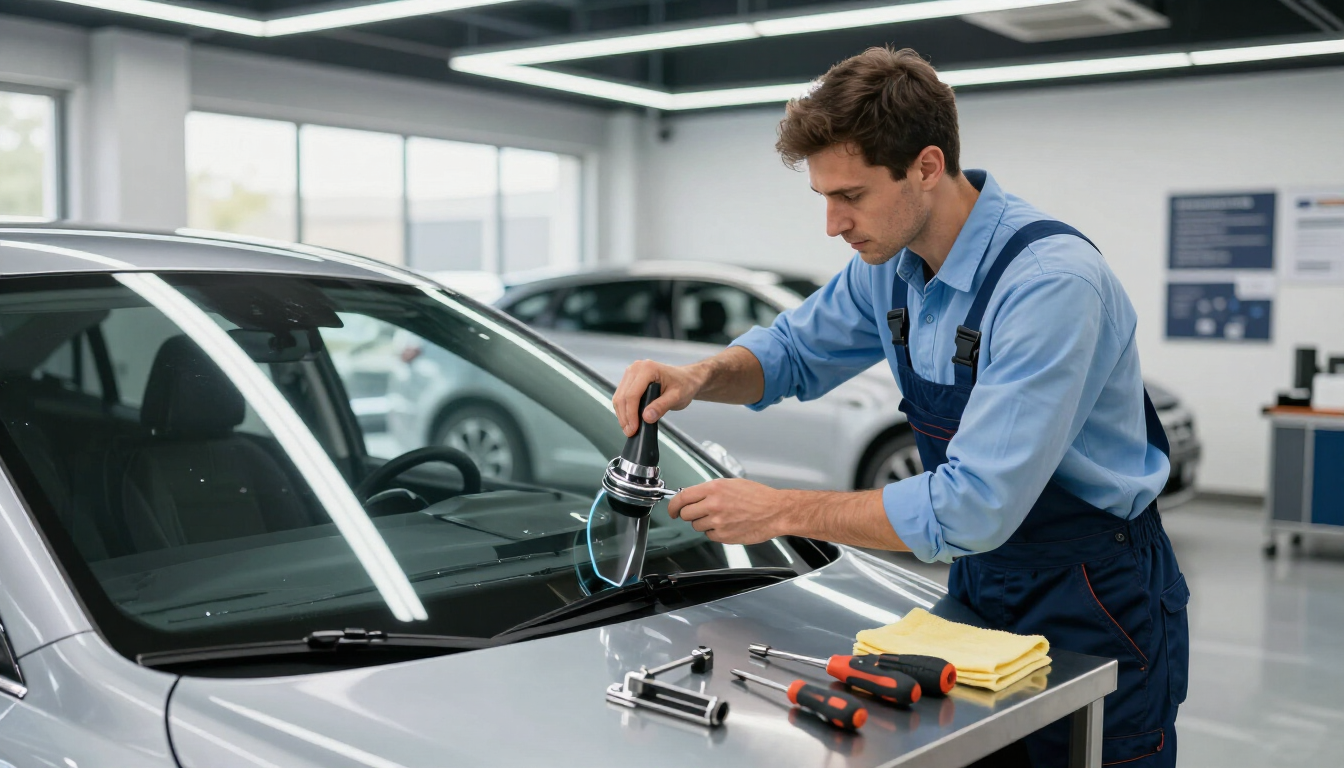
ADAS windshield calibration is the precise technical process of realigning the cameras and sensors used by Advanced Driver Assistance Systems (ADAS). This essential service ensures that features like emergency braking and lane-keeping assistance function accurately, particularly following a windshield replacement where sensor positioning has been disturbed.
Why is ADAS windshield calibration required for modern cars?
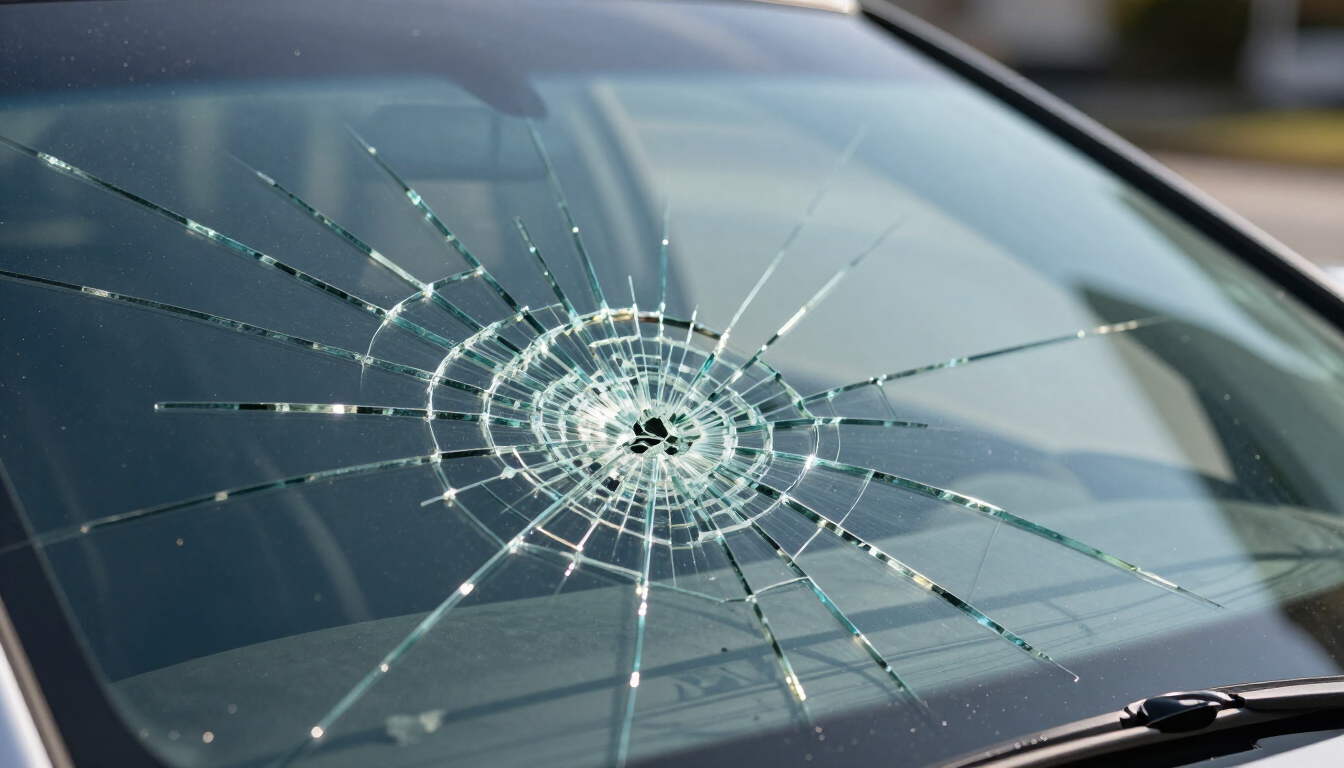
When you think about a windshield, you might just see a piece of protective glass. However, in modern vehicles, that glass serves as the mounting point for sophisticated computer eyes. These sensors, often located behind the rearview mirror, are responsible for interpreting the road ahead. Even a microscopic shift in the angle of the glass or the sensor during a windshield replacement can cause the entire system to fail or misinterpret data.
Recalibration is not an optional luxury; it is a safety requirement. If a camera is off by just a fraction of a millimeter, its field of view at a distance of 100 feet could be off by several feet. This discrepancy leads to systems that react too late—or not at all—to hazards. For our team , ensuring that these digital eyes are perfectly aligned is the most critical step in returning a vehicle to the road.
Modern automotive engineering relies on the synergy between hardware and software. When the physical environment of the sensor changes, the software must be taught how to "see" through the new glass. This teaching process is what we call calibration. Without it, your vehicle’s safety net is essentially compromised, leaving you and your passengers at risk during critical moments on the highway.
Essential safety systems that depend on your windshield
Most drivers are surprised to learn just how many features rely on the clarity and positioning of the windshield glass. These systems work in the background to provide a layer of protection that many of us now take for granted. Understanding which features are at play helps you realize the importance of maintaining your vehicle's glass integrity .
- Lane Departure Warning (LDW): Alerts the driver if the car begins to drift out of its lane without a turn signal.
- Automatic Emergency Braking (AEB): Identifies potential collisions and applies the brakes if the driver fails to act.
- Adaptive Cruise Control (ACC): Adjusts your cruising speed to maintain a safe distance from the vehicle ahead.
- Traffic Sign Recognition (TSR): Reads speed limit signs and other road markers to keep the driver informed.
- Pedestrian Detection: Specifically looks for the movement patterns of people to prevent tragic accidents.
What are the different types of ADAS calibration?
Not all vehicles are calibrated in the same way. Depending on the manufacturer and the specific technology package in your car, a technician will use one of two primary methods—or sometimes a combination of both. It is vital to use a service provider who has the equipment to handle both static and dynamic requirements to ensure your services are completed correctly.
Static Calibration This takes place inside a controlled workshop environment. The vehicle is parked in a level bay, and technicians set up specialized targets on stands at specific distances and heights. The onboard computer is then put into a learning mode where it "locks on" to these targets to reset its baseline. This requires a large amount of space and perfect lighting conditions to be successful.
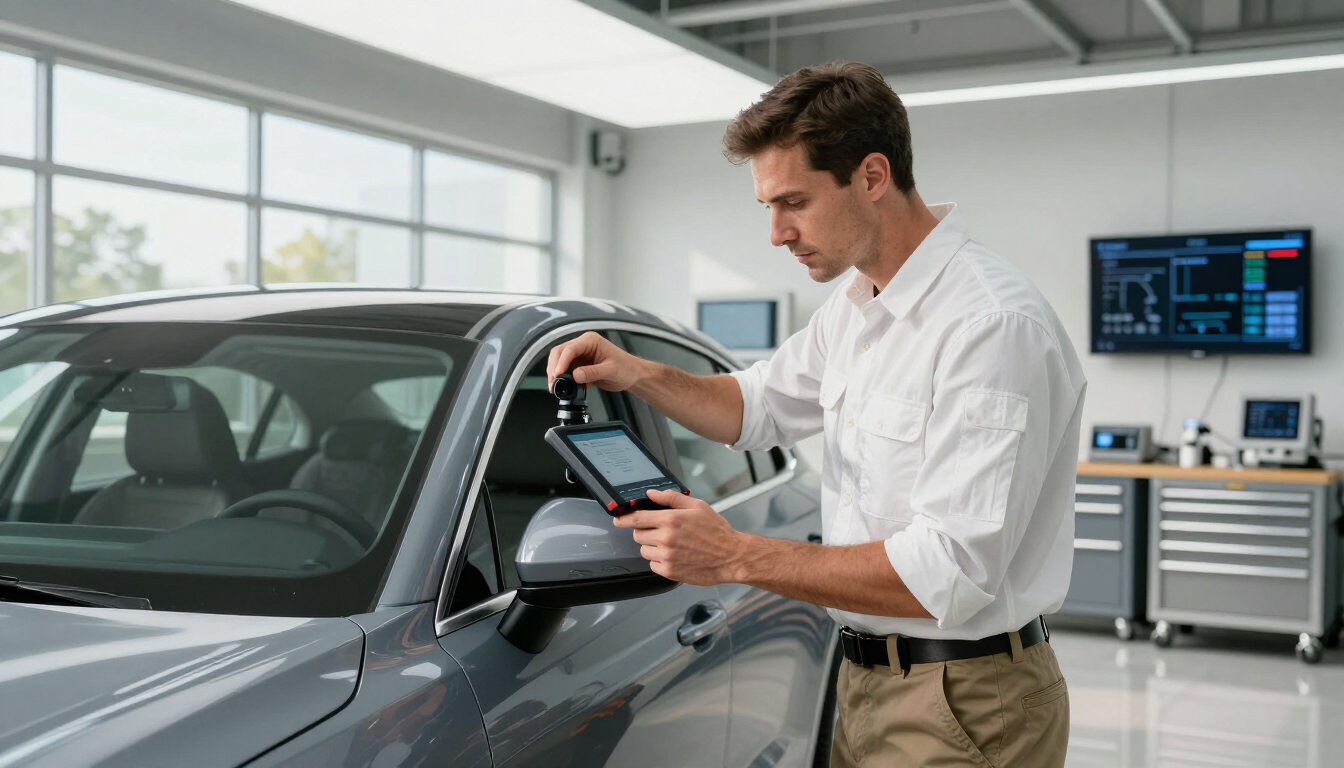
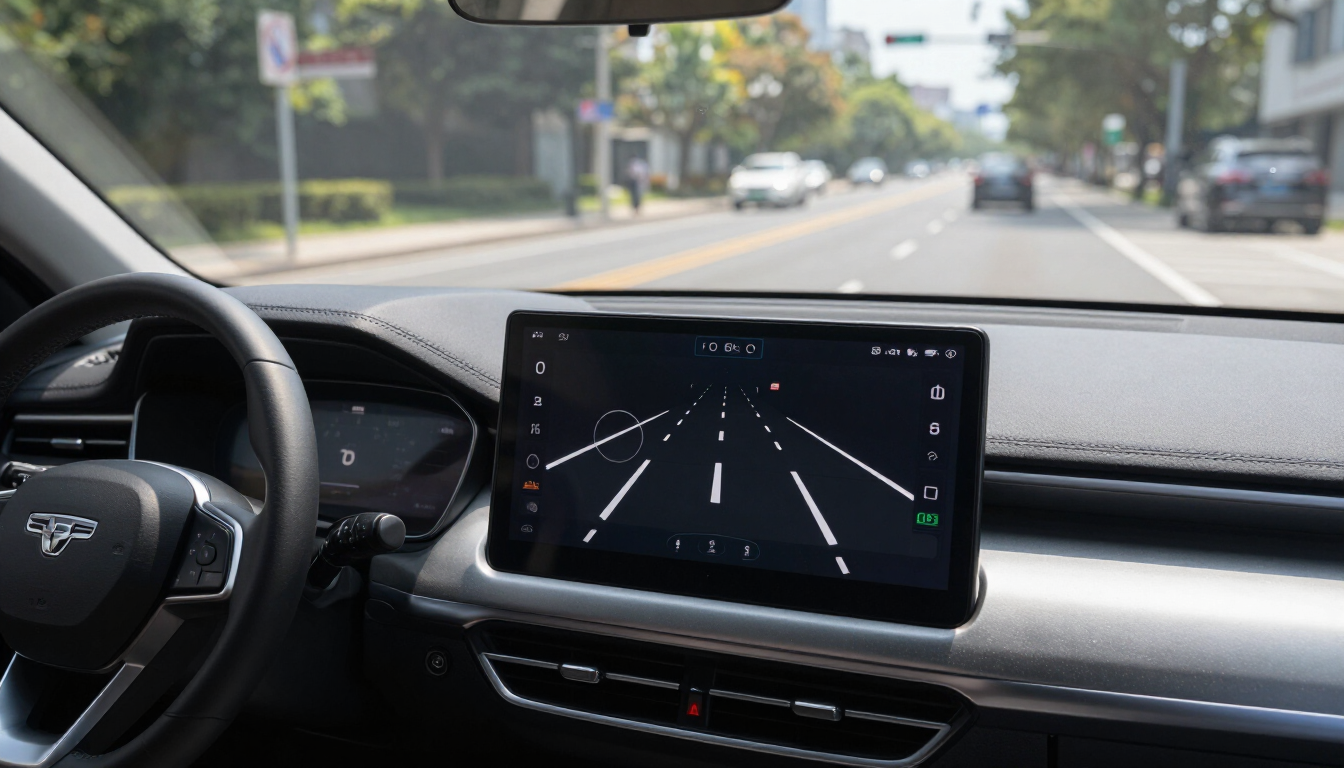
Dynamic Calibration This method involves driving the vehicle on the road under very specific conditions. The technician connects a handheld diagnostic tool and drives at a steady speed on well-marked roads. The system uses the actual road environment—such as lane lines and traffic signs—to find its center. Weather conditions must be clear, as heavy rain or snow can prevent the sensors from successfully completing the learning cycle.
How do technicians perform the calibration process?
The process is highly technical and requires specialized training and expensive diagnostic equipment. It isn't as simple as plugging in a code reader; it involves a series of choreographed steps designed to verify the safety of the vehicle. When you visit us for auto glass needs , we follow a strict protocol to ensure nothing is missed.
- Pre-Scan: We run a diagnostic check to ensure no existing faults are in the system.
- Physical Alignment: We verify that the windshield is installed perfectly and that the camera is securely mounted.
- Setup: For static calibration, we align the vehicle with manufacturer-specific targets.
- The Calibration Run: We initiate the software sequence that allows the sensors to reset their parameters.
- Post-Scan: A final check confirms that all systems are green and the calibration was successful.
The significant risks of skipping recalibration
Ignoring the need for ADAS windshield calibration after a replacement is a gamble with your safety. While the car might seem to drive normally, the safety systems could be functioning in a degraded state. Many drivers assume that if there isn't a warning light on the dashboard, everything is fine. Unfortunately, this isn't always the case.
A misaligned camera can cause "phantom braking," where the car suddenly slams on the brakes because it incorrectly perceives an object in its path. Conversely, it might fail to detect a car stopping in front of you until it is too late. These errors occur because the computer is making calculations based on a tilted or offset field of view. By the time you realize there is a problem, you might already be in an avoidable accident.
Furthermore, insurance companies are increasingly strict about these requirements. If you are involved in a collision and it is discovered that the ADAS was not calibrated following a glass replacement, you could face liability issues or find your claim denied. It is always better to follow the manufacturer’s guidelines and ensure your blog and maintenance records show a commitment to safety.
What should drivers expect during the process?
When you bring your vehicle in for a windshield replacement and calibration, you should plan for a bit more time than a standard glass swap. A typical windshield replacement might take an hour, but a full ADAS windshield calibration can add an additional one to two hours to the appointment. This is due to the precise nature of the setup and the potential need for a test drive.
- Total Time: Plan for 2–4 hours for the entire visit.
- Documentation: You will receive a certificate of completion for your records and insurance.
- Clear Conditions: If your car requires dynamic calibration, we may need to reschedule if there is heavy rain or snow.
- Professional Expertise: Only certified technicians should handle this work.
- Cost: While more expensive than a basic replacement, it is often covered by comprehensive insurance policies.
How often does my car need ADAS calibration?
While a windshield replacement is the most common reason for this service, it isn't the only one. You should keep an eye on your vehicle’s behavior and consult with our professionals if you notice any changes in how your safety features are responding. Generally, calibration is needed whenever the sensor's relationship to the road changes.
This includes instances like a suspension lift or level kit being installed, as changing the ride height of the vehicle alters the camera's angle toward the ground. Similarly, if you have been in a minor fender bender that might have jarred the front-facing sensors, a check-up is recommended. Even a wheel alignment can occasionally trigger the need for a steering angle sensor recalibration, which is often tied into the broader ADAS network.
Summary: Keeping your safety systems on track
ADAS windshield calibration is a non-negotiable step in modern vehicle maintenance. By ensuring your cameras and sensors are perfectly aligned after a windshield replacement, you protect the integrity of your car’s safety features. Whether your vehicle requires static or dynamic calibration, the goal remains the same: ensuring the technology you rely on is ready to protect you when it matters most. To maintain your vehicle's safety standards, remember these key takeaways:
- Calibration is mandatory after any windshield replacement on ADAS-equipped cars.
- It ensures features like lane-keep assist and emergency braking work as intended.
- Skipping the process can lead to system failure, accidents, and insurance complications.
- Professional technicians use specialized tools to perform both static and dynamic resets.
- Check with your insurance as the cost of calibration is frequently covered under glass claims.
If you have recently had your glass replaced or noticed your safety warnings acting strangely, it is time to seek a professional evaluation . Keeping your car road-ready means keeping your digital eyes sharp.
Coming Soon